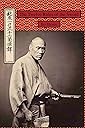
The Twelve Rules of the Sword
Description
A translation of two books on the philosophy of the Itto School of Sword Fighting. Book 1: The Twelve Rules of the Sword. Book 2: The Sword Manual of Kanamaki Jizai. The first is attributed to Ito Ittosai the legendary swordsman of the 16th century. Ittosai travelled the country and fought the head students of 33 schools, winning every time. The second is a 16th century instruction manual attributed to Ittosai's teacher Kanamaki Jizai. These books are essential for understanding the development of traditional Japanese sword arts and Kendo.
Specifications
| Dimensions | 6 x 0.26 x 9 inches |
| Isbn 10 | 1720715645 |
| Isbn 13 | 978-1720715641 |
| Item Weight | 5.7 ounces |
| Language | English |
| Print Length | 115 pages |
| Publication Date | August 28, 2018 |
| Publisher | CreateSpace Independent Publishing Platform |
Reviews
User
Birthday Gift
I bought this for someone else. It's a short read though and I managed to sneak a read for myself before gifting it off. It's a really fascinating book as a historical piece because it shows images of the original documents and discusses the context and translation. I thought it looked like a cool gift idea but I'm also into Japanese martial arts history and so this book really grabbed my attention as I read it. I've never heard of the book before seeing it on Amazon. I rate books with price in mind as well but the lack of content here is understandable as it is focused on a historical document, so $12 seems okay for what you're getting. It's entertaining if you're curious about historical documents of Japan, but I think most people would be disinterested in the content. I'll probably buy a copy for myself later on. The advice given in the book is more technical than philosophical, so it's not like other popular samurai books, but some of the advice can be applied to situational thinking. I really liked the book personally, as I was in Bujinkan at one time and did some kenjutsu. It's a great gift for anyone into Japanese swordsmanship or history.
User
Insight into the mind of the most influential kenjutsuka of all time.
Kendo itself is based on the Ittoryu.Somewhat controversial because of his uncompromising nature, Ito Ittosai was one of the "Big Four" of the great swordsman of Japan's fuedal period.The 12 Rule of the Sword illustrates quite clearly that he had a very sharp attitude.In this volume translated by Eric Shahan we get not only the original text and translation, but also the related texts and translations of Ittosai's students and masters of various branches of the Ittoryu.Spaced throughout it also contains fascinating and often instructive artwork.Honestly it's a bit shocking that this is not the highest selling book of it's kind.A Must Own for the serious kenjutsuka.
User
A must for aficionados of the sword.
It took a little work to understand the philosophy expressed, being an occidental sword master in the film industry, but my respect for Japanese swords and the Samurai who believed they were part of their soul, made the exploration very worthwhile.
User
Interesting insights into the theory and philosophy of Japanese sword play
Don't expect much specifics on technique and you won't be disappointed.This book is several interpretations of a work from the 19th century, "The 12 Rules of the Sword", along with some spells or meditations, and a work claiming to be a transcription of a 17th century text. Note that all of this postdates Musashi's "Book of Five Rings".The 12 rules are more memory aids than instruction. They discuss concepts without much detail, but "Horizontal, Vertical, Above, & Below" and "Interval Between You and Your Opponent" do give some practical principles of physical action. "The Color of Things" is about being in the moment. and reminding the student that combat is not the moment for reflection or to seek meaning with a drawn sword in your hand.Overall, it was interesting, but not one that merits the multiple readings the way the "Book of Five Rings" does.E.M. Van Court
User
This is high level stuff.
Eric shahan is making so much amazing material available to the english speaking world. This book will join my collection of treasures he has produced in recent years. The principles contained in this book are so deep I feel it will take me years to begin to grasp them.
User
This Book Is Awesome!
I read this book five out of five because I thought it was awesome it has cool sword techniques and Concepts. If you like Samurai stuff and swordsmanship this is a good read
User
Good book
Exactly what I wanted.
User
Concise discussion of the ancient swordsmen technique
A fascinating read/peek into the mind of the ancient swordsmen
User
Un documento histórico
Debido a su contenido ni debe gustarte ni debe repelerte. Es así como es y nada más. Un documento que muestra una de las tradiciones del Japón, relacionada con el arte del manejo de la espada y su interrelación con el budismo y la espiritualidad oriental.
User
Auto edited notes from the manuscripts?
Very disappointed by the overall quality of the picturial content. The coherence of the work seems also a bit awkward to me.
User
nice
An interesting book for sure. Some useful tips for modern martial artists too. I owned the hagakure many years ago and I like this one, not as much but is still a good addition. If you like this kind of book, you won't be disappointed. It's short, but the lessons are interesting.
User
Good book but it's not very detailed
It's a nice book but it feels like a copy of a copy of a copy and it's a bit short in information for the price.
User
Interesting Edo period source but needs editing + revision
The original work itself is an interesting example of Edo literature, exhibiting neo-confucian influence and the expected focus of Chinese references. The introduction is fine for the novice reader perhaps, but the text is in need of better annotation and referencing. The translation is not always accurate, with errors throughout. It does capture the general meaning.
Common Questions
Trustpilot